The Genetic Mutation Saga: The Evolutionary Price and Health Risks Behind Corgis' Short Legs and Pugs' Flat Faces
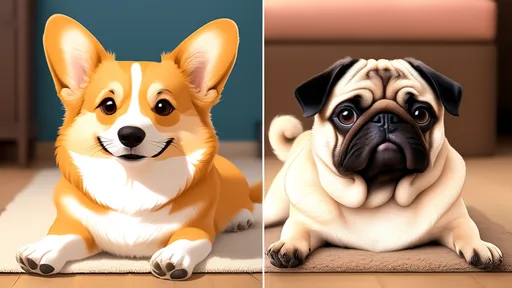
In the world of dog breeds, few characteristics are as instantly recognizable as the stubby legs of a Corgi or the squashed face of a Pug. These traits, often celebrated for their cuteness, are the result of deliberate genetic selection by humans over centuries. However, behind these adorable features lies a complex biological story—one that reveals the hidden costs of artificial selection and the health consequences these dogs endure as a result of their distinctive appearances.
The Science of Short Legs: Corgis and Chondrodysplasia
Corgis, along with several other breeds like Dachshunds and Basset Hounds, possess a form of dwarfism known as chondrodysplasia. This condition, caused by a mutation in the FGF4 gene, disrupts normal bone growth, particularly in the limbs. While the short legs of these breeds may seem charming, they come with a host of potential health issues. The disproportionate body structure places excessive strain on the spine, often leading to intervertebral disc disease (IVDD), a painful condition that can result in paralysis. Additionally, their elongated torsos and short limbs make them prone to joint problems, including hip dysplasia and arthritis, which can severely impact their mobility as they age.
What many people don’t realize is that this mutation wasn’t naturally selected for survival—it was artificially perpetuated because humans found it aesthetically pleasing or functionally useful (in the case of Dachshunds, for burrowing into tunnels). The evolutionary trade-off for these short legs is a lifetime of potential spinal and joint complications, raising ethical questions about the morality of breeding dogs for extreme physical traits.
The Flat-Face Dilemma: Pugs and Brachycephaly
Pugs, Bulldogs, and other brachycephalic breeds are beloved for their wrinkled faces and pushed-in noses, but these features are the product of a genetic quirk that comes with severe health repercussions. Brachycephaly, the shortening of the skull, leads to a compressed airway, making breathing a constant struggle for these dogs. This condition, known as Brachycephalic Obstructive Airway Syndrome (BOAS), can cause chronic respiratory distress, overheating, and even sleep apnea. Many of these dogs snore loudly, not out of contentment, but because they are fighting for every breath.
Beyond breathing difficulties, the exaggerated facial structure of these breeds often results in eye problems. Their shallow eye sockets make them susceptible to proptosis (eyeball dislocation) and corneal ulcers. Dental issues are also common, as their shortened jaws crowd their teeth, leading to misalignment and decay. The very traits that make them "cute" in human eyes are, biologically speaking, deformities that compromise their quality of life.
The Ethical Debate: When Breeding Crosses the Line
As veterinary science advances, the conversation around the ethics of breeding dogs for extreme physical traits has intensified. While breed standards historically rewarded these exaggerated features, modern research highlights the suffering they cause. Some countries have even taken legislative steps to curb the breeding of dogs with severe brachycephaly or chondrodysplasia, arguing that it constitutes animal cruelty.
Advocates for reform suggest shifting breed standards to prioritize health over appearance, encouraging the breeding of dogs with moderate features that don’t compromise their well-being. Others argue for greater public education, helping prospective pet owners understand the potential health risks associated with certain breeds so they can make informed decisions.
A Path Forward: Balancing Tradition and Welfare
The challenge lies in reconciling the cultural and historical significance of these breeds with the moral obligation to ensure their health and happiness. Some breeders are already working toward "retro" versions of popular breeds—Pugs with longer snouts or Corgis with less extreme proportions—in an effort to preserve their essence while mitigating health risks. Meanwhile, genetic research may one day offer solutions, such as gene editing to correct harmful mutations without erasing the breeds’ distinctive identities.
For now, the story of Corgis’ short legs and Pugs’ flat faces serves as a cautionary tale about the unintended consequences of human-driven evolution. It reminds us that our preferences, however well-intentioned, can have lasting repercussions on the animals we love. As we continue to share our lives with these remarkable creatures, the least we can do is advocate for their right to a healthy, pain-free existence—even if it means redefining what "cute" really means.

By /Jun 12, 2025

By /Jun 12, 2025

By /Jun 12, 2025

By /Jun 12, 2025

By /Jun 12, 2025
By /Jun 12, 2025

By /Jun 12, 2025

By /Jun 12, 2025

By /Jun 12, 2025

By /Jun 12, 2025
By /Jun 12, 2025
By /Jun 12, 2025
By /Jun 12, 2025
By /Jun 12, 2025

By /Jun 12, 2025

By /Jun 12, 2025