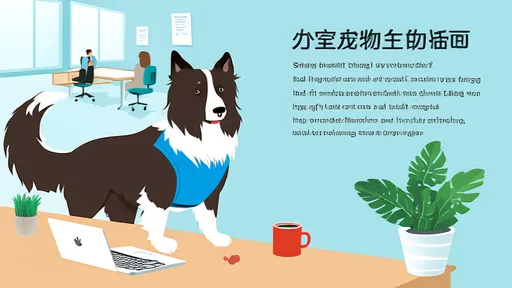
For busy professionals seeking canine companionship, selecting a dog breed with strong independence can make all the difference in creating a harmonious work-life balance. Unlike high-maintenance breeds that demand constant attention, self-sufficient dogs adapt well to their owners' schedules while still offering loyalty and affection. The key lies in understanding which breeds thrive with autonomy and how to prevent separation anxiety – a common challenge for urban pet parents.
The appeal of independent dog breeds for working professionals cannot be overstated. These canine companions possess an innate ability to entertain themselves during long work hours without developing destructive behaviors. Breeds like the Shiba Inu, Chow Chow, and Basset Hound have evolved over centuries to think and act independently, making them ideal for apartment living and irregular work schedules. Their moderate exercise needs and calm demeanor suit the urban lifestyle perfectly.
Contrary to popular belief, independent dogs form deep bonds with their owners while maintaining healthy emotional boundaries. The Alaskan Malamute, for instance, shows tremendous devotion but doesn't become clingy or anxious when left alone. This balance stems from their working dog heritage, where they were bred to make decisions without constant human direction. Such traits translate well to modern city living where professionals may work late or travel occasionally.
Preventing separation anxiety requires more than just selecting the right breed – it demands thoughtful preparation of both the dog's environment and the owner's routine. Even the most self-reliant breeds can develop stress behaviors if their basic needs aren't met. Creating a designated safe space with comforting smells, establishing predictable departure cues, and providing mental stimulation toys form the foundation of anxiety prevention. The goal is to make alone time feel secure and rewarding rather than stressful.
Professional dog trainers emphasize the importance of gradual conditioning for urban pets. Starting with short absences and slowly increasing duration helps dogs build confidence in their solitude. This technique works particularly well when paired with positive reinforcement – leaving special treats that only appear during alone time creates positive associations. Many working professionals find success with food-dispensing toys that challenge their pet's problem-solving skills during the workday.
Technology has opened new possibilities for monitoring and interacting with pets remotely. Smart cameras with treat dispensers allow owners to check in and reward good behavior throughout the day. Some independent breeds actually prefer this low-contact interaction, maintaining their autonomy while still feeling connected to their humans. However, experts caution against over-reliance on these tools – they should complement, not replace, proper training and environmental enrichment.
The relationship between an independent dog and a busy professional often flourishes precisely because it respects both parties' needs. These dogs appreciate having their own space and routine, while their owners can focus on work without guilt. Evening walks become cherished bonding time rather than frantic attempts to burn off pent-up energy. This dynamic creates a sustainable partnership that enhances rather than complicates the urban professional's lifestyle.
When considering an independent breed, prospective owners should research thoroughly to match the dog's energy level and care requirements with their living situation. While some self-sufficient breeds like Greyhounds are surprisingly low-energy, others like the Shar-Pei may require more structured routines. Consulting with breeders or rescue organizations about individual personalities can help identify the perfect companion for a particular work schedule and home environment.
The financial aspect of owning an independent dog often proves more manageable than with high-needs breeds. Reduced separation anxiety means fewer destructive behaviors that require expensive repairs or professional training interventions. Their typically moderate exercise needs translate to lower dog-walking costs. However, potential owners should still budget for quality food, regular veterinary care, and enrichment items to maintain their pet's mental wellbeing during work hours.
Urban professionals often discover unexpected benefits from sharing their lives with independent canine companions. The structured routine required by dog ownership can improve time management skills and work-life balance. Coming home to a happy, well-adjusted pet provides stress relief after demanding workdays. Perhaps most importantly, these relationships demonstrate that successful pet ownership in a busy world isn't about constant attention, but about creating the right conditions for mutual understanding and respect.

By /Jun 12, 2025

By /Jun 12, 2025

By /Jun 12, 2025

By /Jun 12, 2025

By /Jun 12, 2025

By /Jun 12, 2025

By /Jun 12, 2025
By /Jun 12, 2025
By /Jun 12, 2025
By /Jun 12, 2025
By /Jun 12, 2025

By /Jun 12, 2025

By /Jun 12, 2025

By /Jun 12, 2025

By /Jun 12, 2025

By /Jun 12, 2025